Kimberly Von Randow ‘26
Opinions Editor
The 2026 United States midterm elections will be remembered as a defining moment in American democracy. On Nov. 3, millions of Americans went to the polls and delivered a powerful message: the future of the nation must be shaped by the people, for the people. The Democratic Party’s sweeping victories in Congress and across state governments represented a sense of renewed hope and a growing determination to build a more inclusive and equitable America. The people spoke loudly that Tuesday, and their message was one of discontent with the current administration.
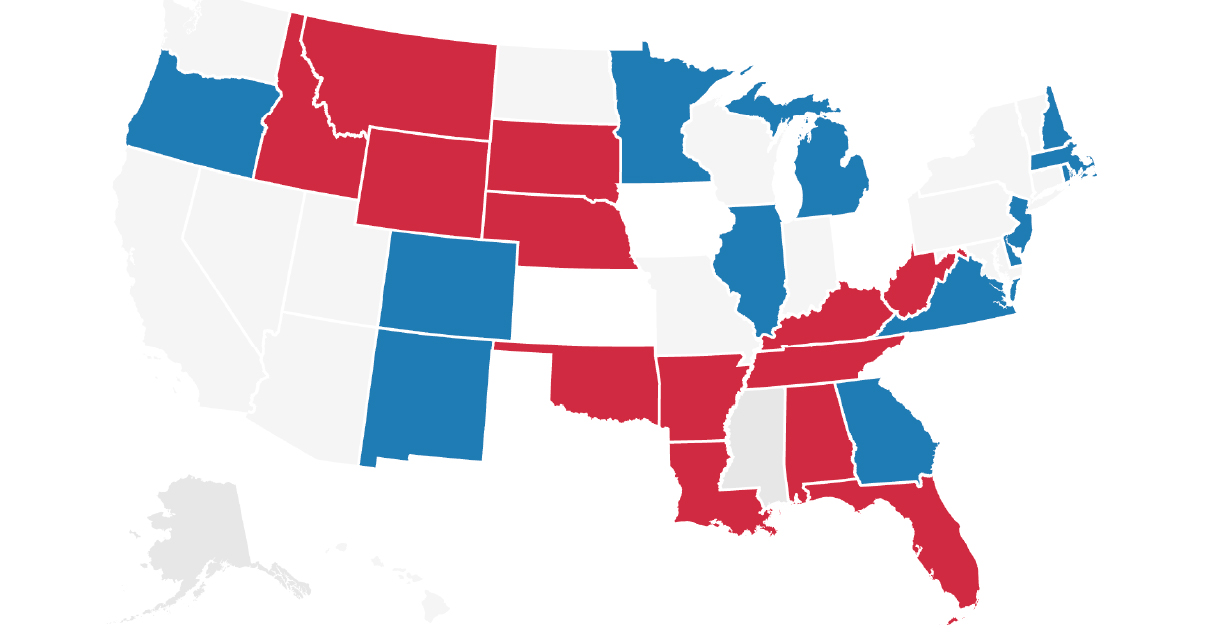
One of the most significant achievements of this election was the Democrats’ historic reclamation of both chambers of Congress. By securing majorities in the House of Representatives and the Senate, Democrats achieved a remarkable political turnaround. The victories included gains in traditionally Republican states, demonstrating that voters across geographical and ideological boundaries were increasingly concerned about the country’s direction. According to Ballotpedia, Democrats gained at least seven Senate seats, including victories in Kansas, Texas, Iowa, North Carolina, and South Carolina. These results demonstrated that political change was not confined to traditionally Democratic strongholds but was reaching communities throughout the nation.
Perhaps the most inspiring aspect of the 2026 election was the remarkable number of historical firsts. Representation, long an unfinished promise of American democracy, took a significant step forward. Gina Hinojosa’s victory in Texas made her the state’s first Latina governor, while Keisha Lance Bottoms became the first Black woman elected governor of an American state. In New Mexico, Deb Haaland made history as the first Native American woman elected governor. These achievements are incredible milestones for communities whose voices have too often been excluded from the highest levels of political leadership.
The Senate also witnessed groundbreaking representation. Abdul El-Sayed became the first Muslim elected to the United States Senate, while Chris Pappas became the first openly gay man to win a Senate seat. Peggy Flanagan’s victory further expanded Indigenous representation, making her the first Native American woman elected to the Senate. These victories reflect the evolving nature of the American political landscape, allowing more citizens to see their identities and experiences reflected in national leadership.
The Democratic triumph also extended beyond Washington. The party made substantial gains in state legislatures and gubernatorial contests, including victories in states that had remained under Republican leadership for years. Texas, in particular, became a symbol of political transformation, as Democratic victories challenged assumptions about the state’s political future. The importance of grassroots organizing and voter engagement prevailed during these midterms, showing that our vote has a stronger power than some realize.
For many Americans, these results brought a renewed sense of optimism for the future. The election took place amid widespread concerns about economic affordability, immigration enforcement, rising gas prices, and the direction of the federal government. Democratic victories suggest that voters are demanding accountability and leadership that addresses the everyday struggles of ordinary citizens. The results also reinforce the importance of participation in a democracy, reminding Americans that elections remain a powerful mechanism through which citizens can influence their nation’s future.
Nevertheless, the significance of this victory extends beyond party politics. Electoral success creates an opportunity, but it also brings immense responsibility. Democrats must now demonstrate that their promises can translate into meaningful progress on healthcare, education, economic security, civil rights, and climate change. The expectations of millions of voters cannot be fulfilled through celebration alone; they require sustained commitment and effective governance.
The 2026 midterm elections stand as a beacon of hope in a deeply divided America. They reveal a nation capable of change and a political future in which leadership increasingly reflects the diversity of its people. The Democratic victories are a reminder that progress is rarely effortless, but it remains possible when citizens unite around shared aspirations. As America looks toward the future, the message of this election is unmistakable: hope is a force that can reshape a nation for the greater good.
Copy edited by Joshua Rosenberg ’29
Featured image courtesy of Reuters
Leave a Reply