Fiona Greaney ’29
Chief Opinions Editor
Kimball soft serve in hand, my friend and I journeyed down to Seelos Theatre to watch Supergirl, DC’s newest film. The movie begins with Kara-El (Supergirl) going on a bender across planets with her dog, Krypto. A catchy song, “This Summer” by the Sleigh Bells plays in the background. The track gets you pumped for the movie while showing that this is not-your-mother’s Supergirl. But pretty soon the needle drops get old. By the time a white-haired alien lounge singer is belting “The Girl From Ipanema” at an interstellar cantina, the excitement is gone and is replaced by fatigue. Every few minutes there is another very recognizable song. It feels like scrolling on TikTok—the most intense pieces of each song are played, sometimes haphazardly Frankensteined together. The result is scenes that feel like TikTok edits, void of actual substance. A score does something a playlist can’t, and the industry’s drift toward needle drops is making films worse.
One of my favorite movies is The Third Man (I know, very pretentious). One of the reasons I like it so much is because of the music. The music conveys the specific moments of deceit and realization in a way that a song you’d hear on the radio couldn’t. The film also shows that scores don’t have to be grand or complicated. “Harry Lime Theme” was famously done on the zither. Then there are films I have never seen before, like Pirates of the Carribean, that have scores so memorable that I still know them. A score or song from a film can outlive even the movie it came from.
There are three groups that suffer when a score is overshadowed or outright replaced: the artists, the moviegoers, and the quality of the movie. A score implies that a composer is commissioned to write something new, crafted specifically for that movie. Licensing a song, on the other hand, rewards what is finished, easy, and recognizable over something that has the potential to better serve the movie and become recognizable itself. Moviegoers lose something too. In the case of a film like Supergirl or her cousin Superman, when the credits roll, you leave with a song you probably already knew now taking up space in your head. For the film itself, if a familiar, catchy song can do the heavy emotional lifting, a song doesn’t have to. A score forces not only the composer but also the writers, editors, and directors to make a scene memorable on its own.
I am an amateur in the field of movie critiques, but am no stranger to consuming movies. As a viewer, I feel robbed of depth when I walk out of Seelos Theatre humming “Girl from Ipanema.” To filmmakers: if your movie’s most important and emotional scene is carried by a song I already liked before coming into the movie, maybe reconsider the scene altogether. Give your story its own voice.
Copy edited by Caroline Gammon ’30
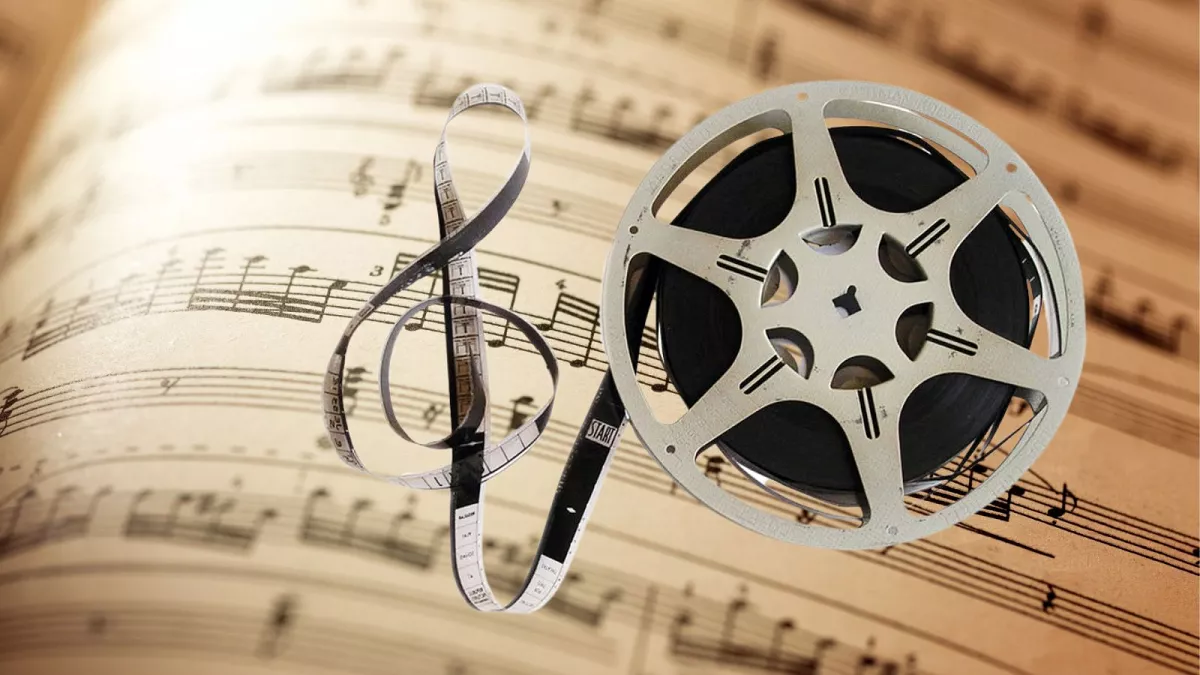
Featured image courtesy of Euronews
Leave a Reply