Olivia Zimmerman ‘29
Opinions Editor
If you really think about it, is there anything out there that is good for us? It seems like there is no escape from the murderous eyes of everyday products, slowly contaminating our bodies with microplastics and parabens. Even the air that we breathe is filled with toxins that are entering our systems.
I know. Very optimistic. I suppose not everything is trying to kill you, but it sure feels like it. Just walking down a grocery aisle tells us all we need to know: every cereal box or bag of chips has about a million ingredients in them with words I won’t even try to pronounce. Sure, there are a few healthy products—but only if you’re willing to spend five hundred dollars every time you make a grocery run. Everything messes with your hormones or gives you cancer or disrupts your metabolism, and there’s really nothing you can do about it. Well, besides starting up a farm and growing your own food.
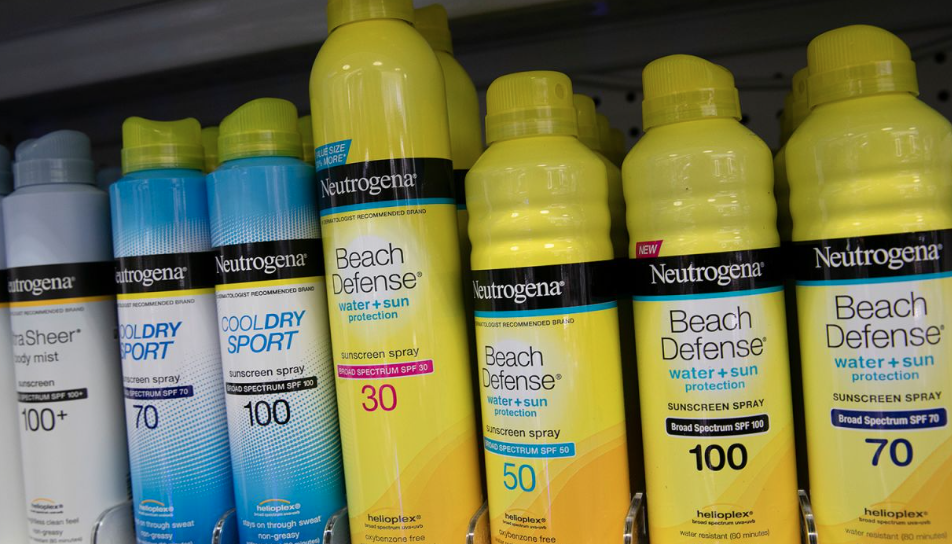
It’s not just food that’s bad for you. Makeup products and shampoos, too, contain harmful ingredients that somehow mess with your body and are linked to different cancers. Many sunscreens, which are supposed to prevent you from getting cancer, actually cause cancer in and of themselves. According to my Internet search, chemical sunscreens contain ingredients such as oxybenzone and octinoxate that are absorbed into your skin, leading to risks of hormone imbalances in your body, which are a risk factor for cancer. So yes, your efforts towards preventing cancer can actually backfire and cause the problem you were trying to avoid. And I’m not finished. Household products are also bad for us. Cleaning products, nonstick cookware, and even certain mattresses all contain chemicals that have been linked to causing—you guessed it—cancer. Apparently.
I say apparently because, well, I’m a little skeptical. Or perhaps I’m in denial. I mean, how can all these things be cancer-causing? How strong are these links? Should we be worried? I think when we ask these questions we need to look at the research. Correlation does not equal causation, after all, and truth be told, there is still so much research that needs to be done in the field of cancer studies. Strong evidence shows that smoking, alcohol consumption, radiation, obesity, and specific chemicals (like carcinogens) cause cancer. However, we do not see this kind of evidence for other supposed cancer-causing or hormone-disrupting products. For example, the American Cancer Society admits that there is much more research to be done regarding the correlation between cosmetics and cancer. Just because a correlation exists does not mean that it is the cause. Similarly, I looked into sunscreen causing hormone imbalances in the body, and unsurprisingly, there is little evidence to suggest that sunscreen causes cancer. Stanford Medicine writes, “For consumers worried about hormone disruption, no definitive link has been established in humans; the concern stems mostly from animal or lab studies at high concentration.” (https://med.stanford.edu/news/insights/2025/06/sunscreen-science.html). However, there is strong evidence that sunscreen reduces the incidence of cancer.
Still, though, this research does not appease the fact that we are constantly exposed to health risk factors, and unfortunately, these risks are simply part of our everyday lives. Like most things, it comes down to money. After all, it is cheaper to make things with highly processed ingredients that can be mass produced, such as corn syrup and artificial preservatives. They allow food products to have longer shelf lives, increasing profit margins for companies. Unsurprisingly, evidence has shown that high consumption of these ingredients is linked to various health problems, such as cardiovascular disease and obesity. Because products can be made cheaper this way, companies will continue to fill the shelves with these harmful products. It is truly an inescapable cycle. That is, unless you want to pay a fortune for “all natural” foods or take hours of your day making food from scratch.
Reading this may seem rather depressing, but here’s my take: how can we live if we are constantly trying to cut out the “bad” stuff from our diets, cosmetics, and household products? I am no expert, of course, but I think most things are okay in moderation. We have to realize that a lot of things we see online are partially fabricated or not fully backed by evidence for the sake of eye-catching headlines or engagement. It is on us to learn how to think critically about what we are seeing and make the best decisions we can with what we are given.
Featured image courtesy of CNN
Leave a Reply