Zach Verdun ’27
Staff Writer
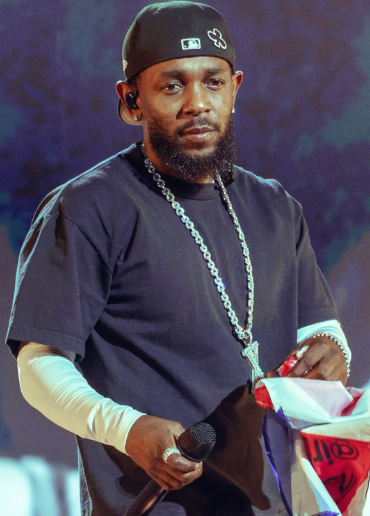
In an unreleased song titled “Prayer,” Kendrick Lamar utters the line that “talent doesn’t choose morality.” Hearing this lyric made me question what exactly he meant by this statement. I mean, certainly there are artists and people that are immensely popular while also simultaneously being completely moral. Almost everyone has heard the name Keanu Reeves yet he never remains shrouded in controversy or misuses his platform. The same case can be made about Sandra Bullock, who while famous retains a public image within the industry of having a sweet moral compass and remaining distant from drama.
At the same time, however, there are as many, if not more, objectively talented artists that can easily be denoted by their flawed morals. Perhaps the greatest example of this is Micahel Jackson. No one can deny how gifted Michael Jackson was, defining the genre at the time and considered among many to be the best pop artist of all time. After all, not only does he have the best-selling album of all time with “Thriller,” but he also revolutionized music videos, won the most grammy’s in one night, and was the first artist to have a Billboard 100 top-ten single in five distinct decades.
Yet, with all the achievements comes all the lack of morality and controversy. In 1993 and again in 2003, Michael Jackson notoriously faced lawsuits of sexual abuse and molestation, accomponied by police investigations and both criminal and civil lawsuits. Moreover, in 2002, Michael Jackson caused worldwide outrage when he dangled his infant son from a balcony. Even today, trials are ongoing, where many have come forward to speak out against the Jackson estate.
Kanye West, now under the name of Ye, is another more contemporary example of how genius does not coincide with ethics. With music today, it’s undeniable that Kanye West is one of the most influential artists of the modern era. He has shifted musical production, essentially creating the use of samples, bridged the gap between music and fashion, and has served as the inspiration for many artists that remain on the top of charts today such as Drake and The Weeknd.
Almost everyone has heard of his seamlessly endless controversies, allegations, and complete lack of morale awareness. He has gone on to make numerous antisemetic statements and songs, promoted hate-speech, and has faced lawsuits by numerous employees for creating a hostile work environment. Because of his actions, just last week he was refused entry to the UK, blocking him from headlining the 2026 Wireless Music Festival. With no headliner, the festival later decided to completely cancel their event, angering many fans.
Each of these examples lead back to the statement that Kendrick Lamar makes, where although each artist is extremely gifted, their morality stands in questions amongst their allegations and
controversies. These examples show that a person’s ability to make art is not a measure of goodness, where one can still be extremely flawed despite their achievements.
This leads to another question, however, on whether one can separate the art from the artist. Kendrick Lamar seems to think so, where later in the song mentioned earlier, he goes on to list examples of how things are still enjoyed in life in complete disregard for the morality of the creator. Yet, others seem to think a line needs to be drawn, arguing that after a certain point ethics outweigh enjoyment. Regardless of your stance on this issue, whether someone is morally good or not does not define whether that person has innate ability. Ultimately, one thing can be drawn clear from the questions and examples shown above: talent is neutral.
Featured image courtesy of Wikipedia
Leave a Reply