Owen Whaley ‘24
Chief News Editor
In 1967, a committee of University of Chicago scholars convened to consider the role of the university in social and political life. Their resulting Kalven Report, which called for an institutional commitment to neutrality, academic freedom, and open inquiry, set the standard in higher education for generations.
“The instrument of dissent and criticism is the individual faculty member or the individual student. The university is the home and sponsor of critics; it is not itself the critic,” read the report. “A university must sustain an extraordinary environment of freedom of inquiry and maintain an independence from political fashions, passions, and pressures. A university, if it is to be true to its faith in intellectual inquiry, must embrace, be hospitable to, and encourage the widest diversity of views within its own community.”
A half-century later, much has changed. And while colleges and universities have long played a crucial role in shaping public discourse, never before have administrators faced such pressure to comment on the most pressing issues, regardless of their relevance to the institution over which they preside.
In recent years, college administrators have faced pressure from all sides to weigh in on issues ranging from climate change to gun policy to foreign affairs. These administrators have been made to navigate a political minefield, with any misstep carrying a risk of backlash from students, faculty, alumni, donors, and the wider public.
This reality has been laid bare by the recent backlash against the presidents of Harvard and the University of Pennsylvania, both of whom resigned from their positions following a disastrous Congressional testimony last December that prompted accusations of complicity in rising antisemitism on their campuses amid the Israel-Hamas War. Even before that Congressional hearing, both presidents had experienced intense public scrutiny over student activities at their institutions related to the War, and major donors – notably, billionaire hedge fund manager Bill Ackman at Harvard and former U.S. Ambassador Jon Huntsman at the University of Pennsylvania – froze their contributions.
During his tenure, former Holy Cross president Philip L. Boroughs, S.J., issued statements on contentious issues emanating from far beyond the Hill: the state of human rights in Nicaragua, Black Lives Matter, President Trump’s efforts to overturn a policy protecting the children of undocumented migrants. Following Trump’s election victory in 2016, Boroughs joined over a hundred other higher education presidents in signing an open letter calling on the president-elect to “condemn and work to prevent the harassment, hate, and acts of violence that are being perpetrated across our nation, sometimes in your name which is now synonymous with our nation’s highest office.”
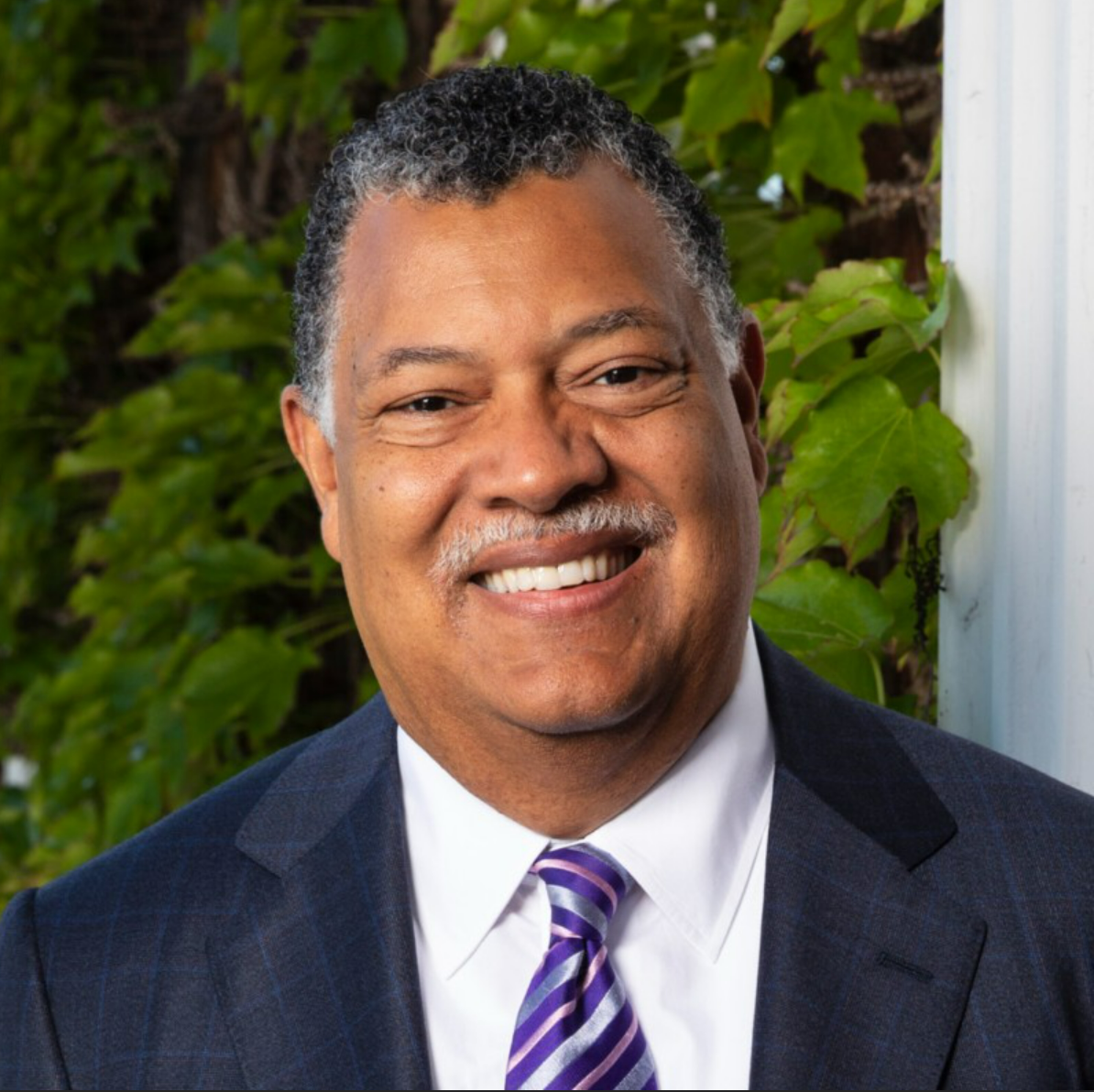
But President Vincent D. Rougeau is forging a new path. Earlier this month, Rougeau announced Holy Cross leadership would no longer weigh in on political issues not directly relevant to the College, a policy of institutional neutrality aimed toward enabling open discourse on even the most controversial issues.
“Holy Cross is an academic institution, defined by our commitment to intellectual freedom and academic inquiry, and called to engage in critical examination, scholarship and dialogue across differences. In this time of prolific public statements, there is an expectation that colleges and universities—rather than the critical thinkers within those institutions—should participate regularly in broader public discourse,” he expressed in a February 6 message. “Statements on politics and current events may unintentionally deter campus members from fully expressing their views or engaging in scholarship.”
He added, “I am the president of the nation’s only exclusively undergraduate Jesuit, Catholic liberal arts college. My email inbox, however, tells another story replete with frequent correspondence from individuals who, depending on the issue at hand, make requests of both my voice and my silence on matters that have little to do with leading the College of the Holy Cross.”
Going forward, Rougeau wrote, administrators would only issue statements on those issues that “directly and significantly” impact the College’s operations or the fulfillment of its Jesuit mission.
Other institutions, including Harvard, are considering adopting a similar policy of neutrality. The Crimson reported last week of growing frustration among Harvard faculty over the state of discourse in higher education. “Critics count the number of hours between a tragic event and a statement and use that as a metric to decide how much and whether the administration cares; they then police every word once a statement is issued,” History professor Alison Frank Johnson is quoted as stating. “This has to stop.”
The University of North Carolina, Vanderbilt University, and the University of Wyoming already maintain institutional neutrality, according to the Foundation for Individual Rights and Expression.
Featured Image Courtesy of Vincent D. Rougeau

Leave a Reply