George Caldwell ’24
Staff Writer
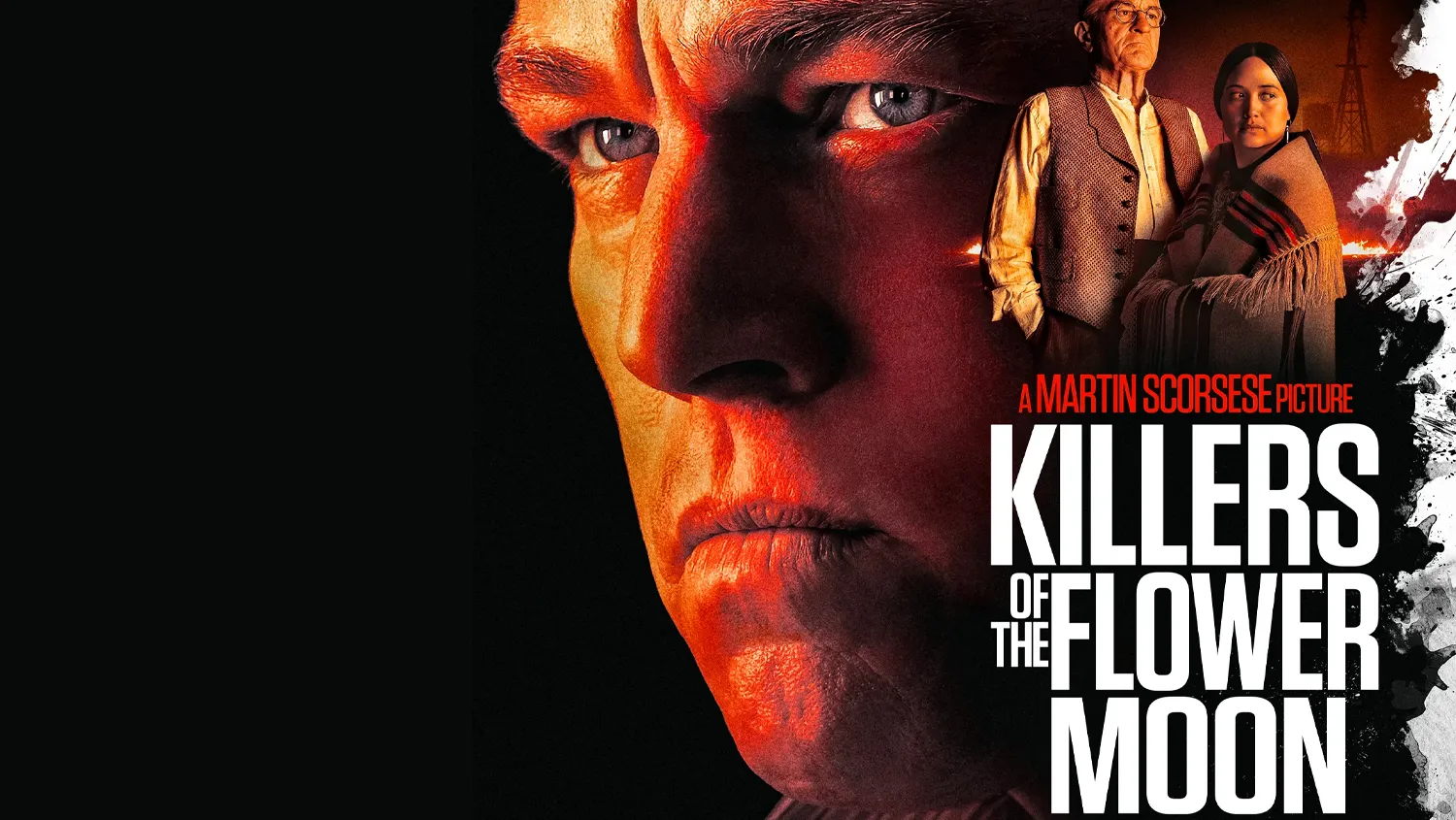
The newly released Killers of the Flower Moon is the latest film from Martin Scorsese, the director behind Taxi Driver, Goodfellas, and The Wolf of Wall Street. Robert De Niro and Leonardo DiCaprio star in the film, marking the first time they have been united in a Scorsese movie. Killers of the Flower Moon is set in 1920’s Fairfax, Oklahoma, where many wealthy members of the Osage Nation were murdered in criminal plots to secure their oil rights. The film is presented mostly from the perspective of Ernest Burkhart, (DiCaprio) who returns from serving in World War One to find that the Osage people have gained stunning amounts of wealth from the oil business. The city has also increased in population, with opportunists arriving by train every day to get their piece of the pie. Ernest is welcomed home by his uncle William Hale, (De Niro) a cunning cattleman who devises a plan for the two of them to profit off of the area’s oil boom.
De Niro brilliantly portrays an outwardly kind, but truly ruthless figure in Killers of the Flower Moon. William Hale is an ambitious man who seeks to gain the trust of all those who hold power. He speaks the language of the Osage fluently and knows how to manipulate every section of the town’s population, from the back-alley gangsters to the policemen and oil tycoons. DiCaprio, as well, has immersed himself fully into his role. Ernest Burkhart is a money-hungry, yet not particularly intelligent, hustler who is willing to tolerate and take part in great evils in order to secure wealth. The lies, murders, and general wrongdoings committed by many of the characters create a sickening atmosphere of pure evil over the film’s three and a half hour duration. The other outstanding performance of the film is that of Lily Gladstone. Gladstone provides a visceral portrayal of the heartache and misery of Mollie Kyle, a wealthy Osage woman who witnesses first-hand the murder and injustice visited on her people.

Other actors who breathe life into the film are real-life country musicians Sturgill Simpson and Jason Isbell, as well as familiar stars such as Brendan Fraser and Jesse Plemons. The depictions of moonshiners, crooks, lawmen, and lawyers all seem true and authentic. I never felt as if I was watching a bunch of Hollywood actors dressing up like cowboys on Halloween. Scorsese further immerses the viewer in 1920’s Oklahoma through stunning visuals, with oil derricks stretching to the horizon and dusty streets crowded with horses and automobiles.
Although the setting and subject matter is different than in any previous Scorsese movie, many of his classic tropes are brought into this picture. For example, Scorsese is known for his soundtracks featuring blues and hard rock songs. The bluesy soundtrack theme is continued in Killers of the Flower Moon, but this time with crackly blues recordings from the early twentieth century that fit the time and place of the story. As with previous Scorsese films, the late Robbie Robertson also contributed to the film’s soundtrack, making it his final film score. The film is dedicated to Robertson, who notably collaborated with Scorsese in the 1976 documentary The Last Waltz. Also consistent with films such as Goodfellas, Casino, and The Departed is how Killers fits within the gangster-crime genre. This is not a cowboy western, but a story of back-alley murders and corruption that will remind the viewer of the classic gangster movies of the past.
Scorsese’s bold artistic vision and the great artistry in every element of the film makes Killers of the Flower Moon very much deserving of its 206 minute run-time. The film’s moral examination of twisted, complex characters will leave viewers with much to think about after the credits roll. Scorsese never rushes the plot, taking his time to let every fascinating detail of this true story appear. Killers of the Flower Moon is a four-hour masterpiece, and well worth a trip to the movie theater.
Leave a Reply