Joshua Rosenberg ‘29
Staff Writer
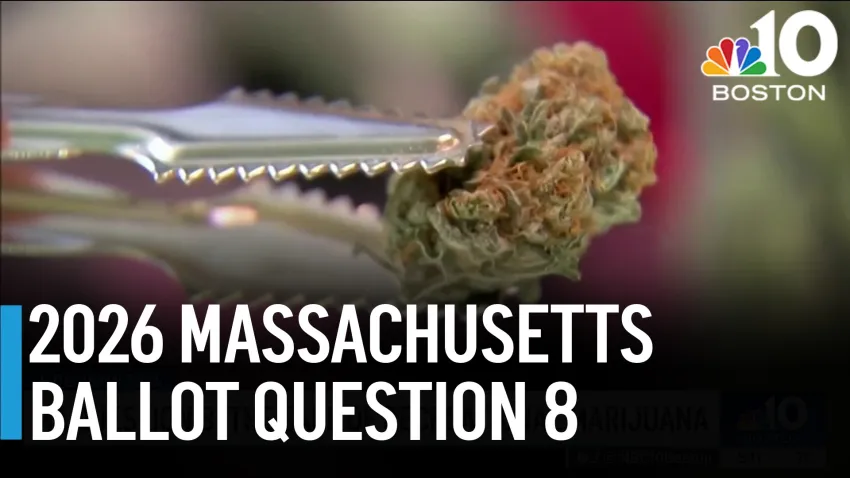
It seems today that one cannot go for a walk in the park or ride on public transportation without being assaulted by the smell of marijuana, whether it comes from a high school student trying their ill-gotten substance for the first time or a hardened drug addict whose first exposure to controlled substances occurred many years ago. And yet, to almost nobody’s surprise, Massachusetts voters soundly rejected Question 8, which would have recriminalized “recreational” marijuana possession and use in the state. The question was defeated 75% to 25%.
And yet, let’s look at the facts. Beyond being a general cause for disgust, the widespread legalization and acceptance of “recreational” marijuana use has caused untold damage to our society. Those who experiment with marijuana are undoubtedly more likely to move to harder drugs in the future, with the “mild” effects of marijuana use setting a dangerous precedent for further substance abuse. Furthermore, Massachusetts was ranked the state with the second-highest number of drug-related deadly car crashes, with nearly 60% of all those involved testing positive for cannabis. This should not be a surprise for anyone remotely familiar with cannabis’ effects on the body. Without going into detail regarding the addictiveness of marijuana (it has a capture rate relatively similar to powder cocaine), one should also be aware of marijuana’s tendency to increase the risk of psychosis, severe anxiety, and schizophrenia, especially in the younger population. Let us also take into account the rising incidence of pediatric exposure to marijuana, and the self-evident fact that putting anything other than air into one’s lungs is generally not conducive to good health.
Proponents of cannabis legalization are quick to point out that legalization minimizes the dangers of the black market, and that governments gain massively from related tax revenue. However, this is simply not true. The illicit marijuana trade is alive and well, alongside all the dangers that it brings with it. It is also worth noting that cannabis taxation supplies less than 1% of the Commonwealth’s budget; hardly anything to sneeze at, but certainly something that can be done without.
I understand that many people will not agree with this argument and its facts, and some of The Spire’s more opinionated readers will not even respect it. Let us acknowledge that opinions, including my own, can be changed. Until then, let us understand that ballot initiatives, such as Massachusetts’ Question 8, present one of the best chances for Americans to reverse what some might call the increasingly apparent moral decay of our nation. In the case of this specific issue, we must look toward education, research and the hope that our elected representatives will care more about the health of our country than the interests of big business as ways to achieve our goals.
Copy edited by Eliza Martin ’30
Featured image courtesy of NBC Boston
Leave a Reply