Zach Verdun ‘27
Staff Writer
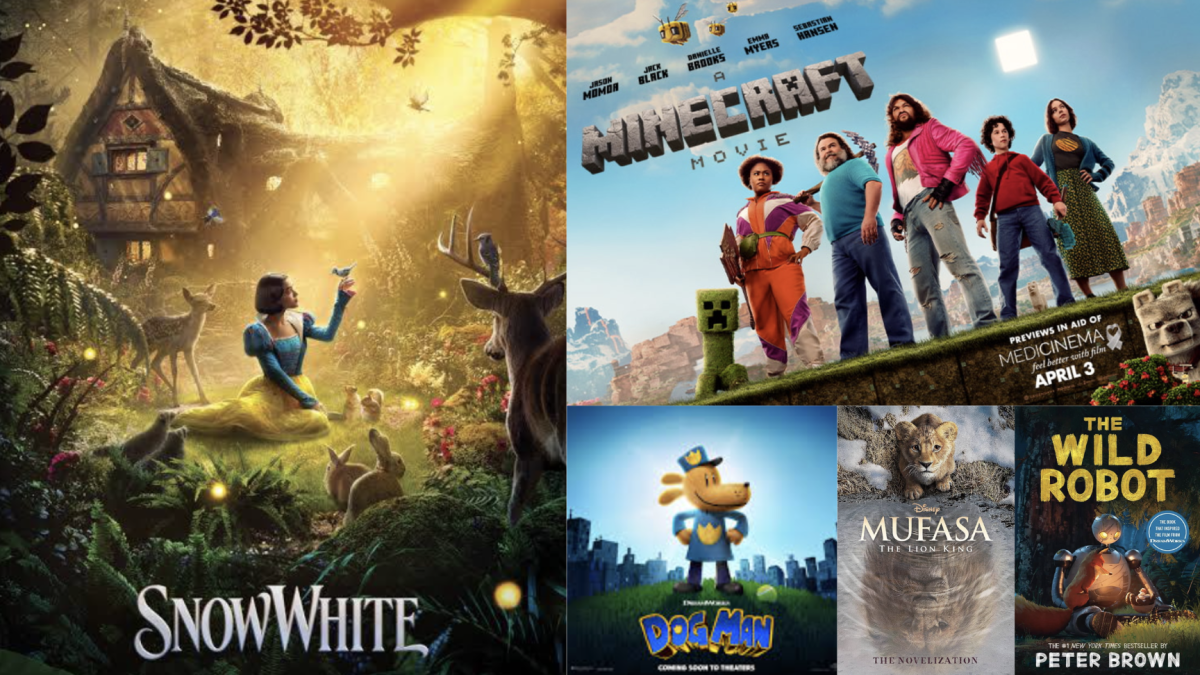
Let’s face it: originality is dying in entertainment. Almost every sphere of pop culture has been recycling content for years, lacking the nuance of what used to define entertainment. Just in the last 5 years we have seen an influx of sequels, prequels, and spin-offs to long-lasting franchises in the movie industry, where notably there were over 40 key titles that dominated the box office and streaming platforms last year. In fashion, we have also started to reuse older trends, where there has been a resurgence of late 90s and early 2000s styles. Even the sports scene has fallen victim, retrobranding old memorabilia instead of promoting its newer merchandise. This lack of originality within entertainment is known as the “nosalgia-industrial complex,” a systemic commercialization of the past that monetizes memory for profit.
Perhaps the most impactful example of this complex is the music industry, where there has been an increasing trend of buying, selling, and interpolating older songs to maximize profits. Major music companies that invest in artists, such as Sony Music Group and Universal Music Group, have aggressively obtained the catalogs of older artists such as Bob Dylan and Neil Diamond. Music itself has also heavily relied on the influence of older artists, where major Billboard hits such as “Luther,” a record-smashing hit from the likes of Kendrick Lamar and SZA, directly sampled the classic soul singer Luther Vandross. Even entire albums are subject to this nostalgia complex, where the 2025 Grammy Album of the Year winner “Cowboy Carter,” heavily utilized the works of older country artists such as Dolly Parton. From monetization to the work itself, music is the most prominent target of commercializing reminiscence.
With the above examples in mind, one may question why exactly this is happening. From the business side of things, it simply comes down to the fact of companies making more money producing media inspired by nostalgic sentiment. In 2025, three of the highest-grossing movies of the year were either a live-action adaptation or a sequel of a pre-existing franchise. Similar monetary value comes from the fashion, music, and sports industries as well, where by far companies are making most of their profit off of what worked in the past.
From the consumer side of things, people like nostalgia and pay more for it based on several factors. Predominately, nostalgia is something that people find comfort in, particularly because of the fact that it is something that they recognize. It is far easier to get excited about something that you already know something about than if it is completely new. Similarly, nostalgia is also something that increases connectedness, bringing communities together and fostering a sense of belonging. Lastly, from an age standpoint, nostalgia works two-fold. For one it appeals to older generations by appealing to their childhood, which people tend to look back on fondly. For newer generations, it is appealing as it bridges the past and the present, allowing them to experience something that they were too young to experience before.
One may also question what the “nostalgia-industrial complex” holds for the future, as eventually the old will become, well old again. Fortunately, toward the end of last year and the beginning of this one, we have seen a return to originality. Two of the most critically acclaimed
movies last year, “One Battle After Another,” and “Sinners,” were completely original ideas. Musically, although the business side seems to remain set on the buying and selling memory, artists seem to be attempting to combat this complex by branching out and experimenting with new sounds. Each of these prove promising for the future, as it is only with originality that authenticity can thrive.
Featured image courtesy of Knight Errant
Leave a Reply