Fiona Greaney ‘29
Opinions Editor
“Career Politician.” Ew. Scummy, power-hungry mongers sporting tight ties and even tighter smiles. They create inefficiencies and put their own interests above those of the people they serve, right? Well, sometimes this is the case, but would you ever not take medical advice from a doctor because they have been a doctor for too long? Would the term “career doctor” elicit the same level of repulsion? Many public servants, including judges, military officers, and diplomats, spend entire careers in government without their career being viewed as a democratic failure. The issue isn’t time spent in office, but how political systems concentrate power around a small set of actors and the weakness of the checks on that power.
Regardless of intent, the structure of the system means that longevity is power in the United States. Efficiency is the goal, and it naturally leads to power accumulation. For example, longstanding traditions like the congressional seniority system allow careers to lengthen and turnover to become rare. Fundraising networks and party influence are other perks of being around for longer. These mechanisms reward politicians who stay in office. Politicians become powerful because they stay longer, and they stay longer because they become more powerful. In practice, it is a self-amplifying cycle with no strong curbing mechanism.
Winner-take-all elections in single-member districts mean only one candidate gets representation, and everyone else’s votes effectively mean nothing. As a result, voters avoid supporting smaller parties that realistically don’t have a shot at winning, since doing so risks helping the major party they like least. Over time, both voters and politicians gravitate toward the two largest parties that can actually win seats. This reinforces the stable, two-party system that we Americans know. This matters because most meaningful competition occurs within a party, not between parties. Once a politician is established in their party, it is hard for those with lesser experience to challenge them.
Party leadership, major donors, and institutional support tend to protect incumbents by giving them early endorsements, fundraising advantages, and access to their party’s infrastructure. Incumbents can easily dominate, making turnover harder even when public support for the candidate may be weak. When only two parties can actually make a difference, power concentrates vertically within each party rather than horizontally across parties.
This is not necessarily a bad thing—it is just a result of the system. In parliamentary systems with multiple parties, politicians may still have ongoing long careers like they do in our system. In a coalition government, parties must cooperate to govern, which creates built-in checks. Support can be both given and withdrawn, so politicians must keep that support between parties and other politicians. The key difference is that their power depends on ongoing negotiations, not dominance. Maintaining alliances naturally constrains individual ambitions that career politicians earn a bad rap for. The U.S. needs a check, and since it would be difficult to rewrite American political law, it should be an outside force.
But in the U.S., the external check is missing. This responsibility should fall into the hands of the media and other non-governmental organizations. Providing accountability outside party structures is made difficult by an increasing polarity and declining trust in the media. Information is easier to discard. Even when the abuses of career politicians are reported, a large portion of the public refuses to accept the message because they distrust the messenger. Instead, another source is telling them what they want to hear, and that information is almost always more convenient to receive. Without trusted external arbiters, parties face limited resistance.
The system produces longevity because it is simply easier. Institutional incentives paired with limited competition make for easy and natural accumulations of power. This problem is systematic, not moral. We need effective accountability that the public can trust. Replacing individuals without changing incentives won’t fix the issue. Instead, we need to invest in stronger, independent institutions and rebuild our trust in non-governmental checks. “How long should politicians serve” is the wrong question. Instead, we should be asking “how can we prevent power from becoming self-reinforcing?” The solution is what it has been since the ratification of the Bill of Rights. Tried-and-true “freedom of speech” has always been a hit. Classics never go out of style.
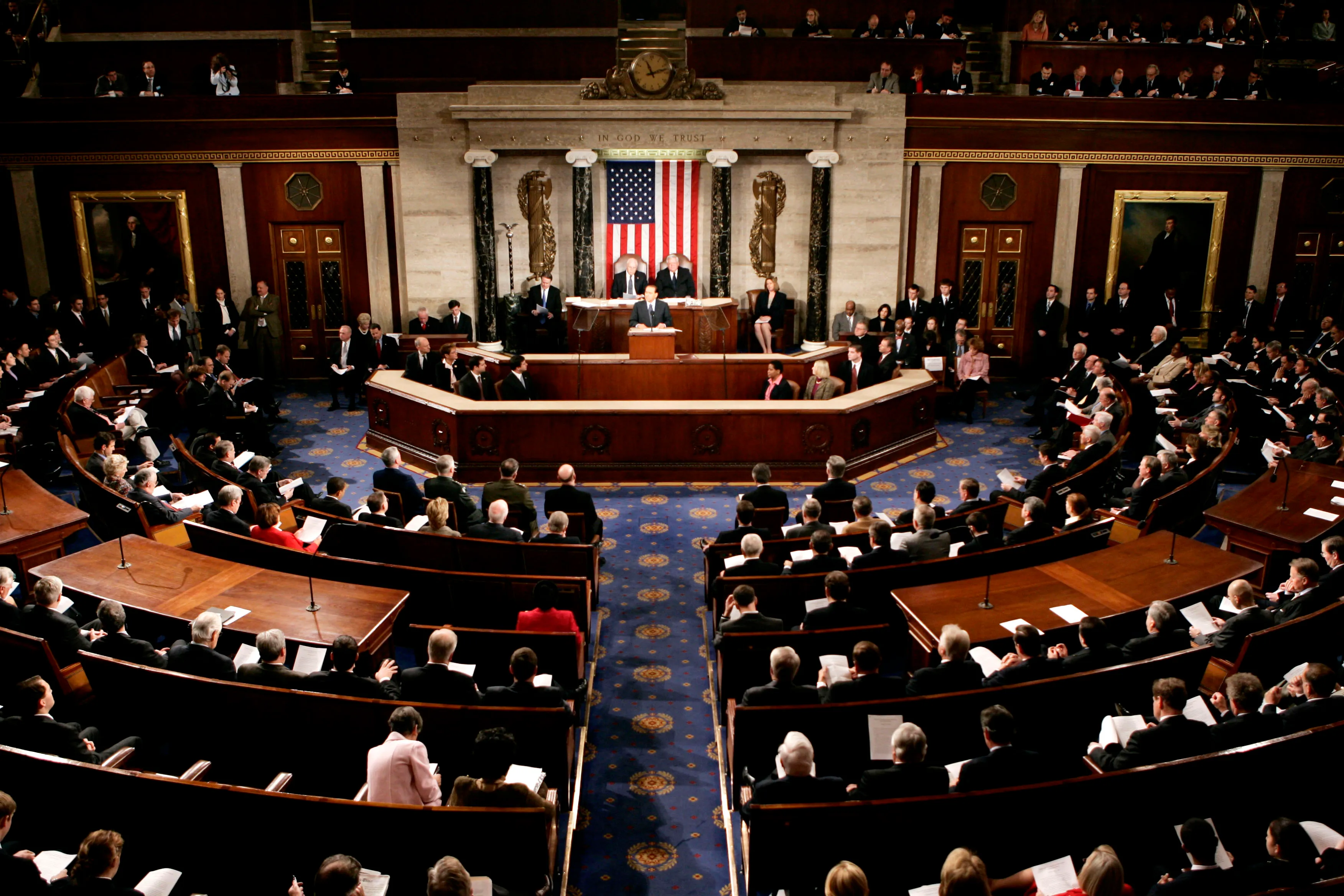
Featured image courtesy of Brookings Institution
Copy Edited by Charlotte Collins ’26
Leave a Reply