Olivia Zimmerman ’29
Staff Writer
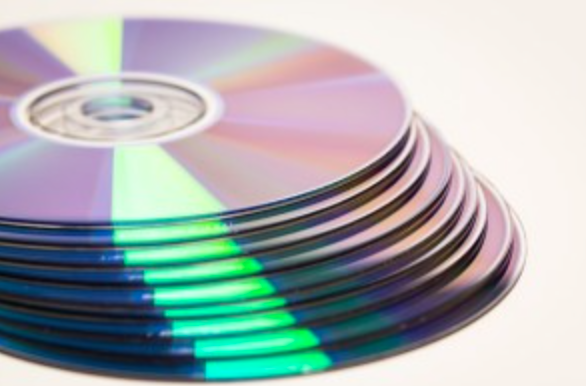
I remember when we could hold a world in our hands. Worlds of stories, memories, and sounds, all compressed into flat discs that were everywhere, flooding countless stores and overtaking drawers and bookshelves of people’s homes. They were the future, at least for a time.
Physical media is something that is still very much present, but its decline in prevalence is unmistakable. DVDs have been replaced by the “rent/buy” button on our television screens, stripping our homes of physical memorabilia in favor of simplicity and convenience. Streaming has become many individuals’ primary method of watching TV and movies, and while it does have its benefits, there is an argument to be made about DVDs’ superiority. CDs and vinyls, too, have been displaced by music apps like Spotify and Apple Music (although there seems to be a newfound rise in prevalence of physical music). Rather than owning a material copy of an album, songs are digital and ready to be played with just a touch of a fingertip. Like streaming, it is simple and convenient to store these songs in a digital database; however, we are losing the charm of physicality in an increasingly computerized world.
Without physical media, our lives are becoming stale. We are coming closer and closer to a materialization of the dystopias we have been warned about, with people living through digitized worlds, their eyes constantly glued to a screen. Moreover, we are placing a heavy reliance on computerized mechanisms. What happens if streaming services fail? What happens if Spotify or Apple Music is discontinued? What are we left with? I think what makes physical media special is the fact that it is ours and no one can take it away from us. We don’t have to rely on cellular service or digital functions for our music or television to be played; it is simply there, ready to be used whenever deemed appropriate.
I also find something charming about physical media. Covers of DVDs, CD designs, additional content included in the inside covers of these media forms—they all serve as an expression of art. Owning collections of physical media is like owning a collection of art, each cover telling a story through various words and images. Now our drawers and shelves are becoming bare, as objects in our homes are converted into a digitized reality, devoid of artistic personality.
Along with this, streaming services have done irreparable harm to outside industries. Take the movie theater industry, for example. Movie theaters have been considered a cornerstone of American culture for decades, yet streaming services have caused a significant decline in their profits. While the COVID-19 pandemic takes some of the blame for this, streaming certainly has not helped the problem. But it makes sense—why spend money to see a movie in theaters if you can see it for free on a streaming platform in a few months? I think it is disappointing to see this decline in theater attendance, especially given the importance theaters have had in our society over the years. The moviegoing experience is truly something special, and it would be a shame for it to fade from the foreground of recreational activities.
While I express my disappointment for the replacement of physical media, I cannot say that digital media is all bad. I use Spotify and Netflix quite frequently, and their benefits are undeniable. Being at college, I don’t have access to a CD, record, or DVD player, so having these streaming services have certainly been helpful. I believe that physical media and streaming services can exist in conjunction with one another. Perhaps individuals could elect one streaming service to pay for and could own a collection of DVDs for the movies and TV shows that aren’t on that particular platform, for example. Whether or not this would work, I think it would be a mistake to completely replace physical media with digitized versions.
While we cannot know what the future holds, I would like to believe that there is hope for physical media in the future. We have already seen a rise in prevalence of records, so perhaps this is an indicator that not all hope is lost. While physical media may never return to its glory days of previous decades, its impact will forever hold relevance in today’s day and age.
Featured image courtesy of Record Head
Copy Edited by Annamaria DeCamp ’27
Leave a Reply