Viveca Stucke ’26
Staff Writer
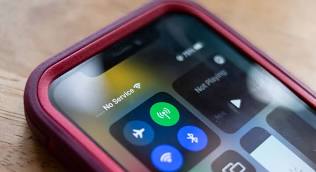
On Thursday, February 22, 2024, a prominent wireless service provider in the United States encountered a widespread outage that affected the entire nation. This disruption in national cellular service caused considerable concern among customers, eliminating a crucial means of communication. With more than 70,000 reported outages, the incident was officially attributed to “maintenance issues.” This incident emphasized the critical role connectivity plays in our lives, serving as a stark reminder of the indispensable role our phones play in our day-to-day operations.
According to a Washington Post article in June of 2023, only a mere 27% of Americans still maintain an operational landline phone, a figure projected to dwindle further over time. The waning popularity of landlines is attributed to the dominance of cellular devices, which have rendered phone lines obsolete. Cellular devices with their accessibility, portability, and expansive functions including internet access, texting, maps, and social media integration, have surpassed landlines as superior tools of communication and information dissemination.
As landline usage dwindles and dependence on cellular services rises, a crucial question emerges concerning the reliability of cellular communication and the contemporary reliance of consumers on these resources as a method of communication. The recent AT&T incident has highlighted potential concerns regarding widespread cellular failures. Against the backdrop of escalating concerns about cyber terrorism and deliberations on the repercussions of a solar outage, this disruption has ignited contemplation about the hypothetical scenario of a complete loss of all cellular capabilities.
While a recurring notion among conspiracy theorists for years, the concern over the potential loss of modern technology has found increased resonance on social media in the past year. The apprehension surrounding the prospect of technological breakdown is deeply embedded in our dependency on the internet and cellular devices, a reliance pronounced in recent generations. Coming of age in an era marked by rapid technological progress, there exists a deficiency in education and comprehension of the workings of a pre-technological world and the skills needed to navigate it without instant access to information at the click of a button.
Among the most devastating threats looming over us is the realm of cyber warfare, capable of wreaking havoc on the medical sector, financial institutions, and jeopardizing critical personal data of consumers. The implications extend beyond individual concerns, posing a significant threat to national security, and potentially sending not just the nation, but the entire world into chaos. The incapacitation of phones, computers, and the internet would not only impede routine communication, but also disrupt the normal functioning of all facets of life on a global scale.
With an understanding of this threat and the ramifications that would accompany a cyber attack, there is a question of if consumers should prioritize personal preparedness. It becomes imperative to proactively work towards establishing a semblance of stability in the event of such a crisis. Ensuring safety and security mandates a shift towards alternate means of personal protection, transcending reliance solely on the technological realm.
The AT&T outage stands as a stark reminder of our dependence on the cellular landscape, revealing that this reliance may not be as convenient as once presumed. Stripped of phone and technological access, consumers found themselves in a state of panic, facing operational hurdles in their daily routines. Stores struggled to process payments, communication avenues shut down, access to banking apps came to a standstill, and users anxiously pondered the prospect of being unable to use their phones in case of an emergency.
As we navigate the current era of technological progress and dependence, it becomes crucial to acknowledge the necessity of a safety net and contingency plan in the face of potential mass outages or grid failures. In the absence of technology, members of society should possess the resilience and capability to not only endure, but also continue their lives with a sense of stability.
Copy edited by Lilly Baumfeld ’27
Featured image courtesy of CNN
Leave a Reply