Kate Santini ‘27
News Editor
The McFarland Center for Religion, Ethics and Culture works with the Peace & Conflict Studies Program to encourage discourse on topics pertaining to morality and philosophy in the modern world. Most recently, they were proud to sponsor acclaimed author and Marine Corps veteran, Phil Klay, to host a talk at Rhem Library.
Phil Klay is best known for Redeployment which is a series of short stories that draws from and reflects upon his experience in the military. In the year of its publication, he was awarded both the National Book Award for Fiction and the National Book Critics’ Circle John Leonard Prize for best debut. It was also named one of the 10 Best Books of 2014 by the New York Times. His more recent works including Missionaries (2020) and Uncertain Ground (2022) have been similarly well received by critics. The former was even added to President Obama’s best books of 2020.

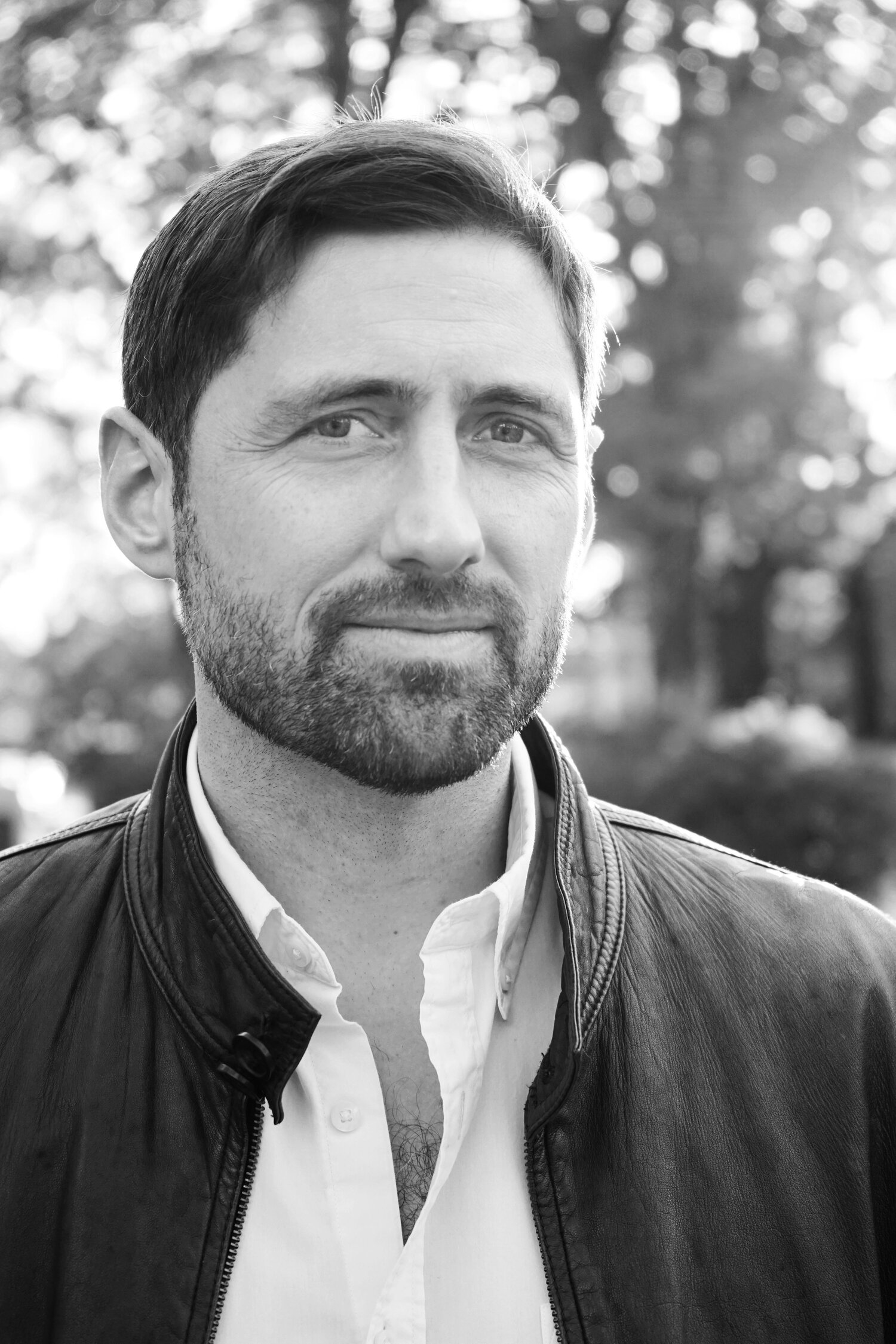
Image Courtesy of Philklay.com
Klay did not shy away from tackling heavy subjects that are prevalent within his body of work. Having been sworn into the Marines Corps in 2005, Klay was a first-hand witness to the war in Iraq and Afghanistan. While he did not condemn the war as a whole, he did recognize and reject the shroud of secrecy that he felt surrounded it. He also reflected on how so-called “over-the-horizon warfare” has permanently altered Americans’ perception of war and has disconnected them from its brutal implications. He suggested that a way of remedying this widespread ignorance would be to allow the “military to be more responsive to the press.”
Klay also touched upon more recent geopolitical conflicts including the Israel/Palestine conflict and the war in Ukraine. He critiqued the ways in which the American public has approached discourse on these deeply divisive issues. He also reasoned that while it is important to retain a certain degree of idealism, many people fail to realize that each nation involved in these engagements possess “complex moral histories.” He suggests that Americans would benefit from “clear articulations” of our nation’s relations with these countries and should avoid “whitewashing” these inherently complicated affairs with lofty idealism. Idealism, he shares, has been something that he has wrestled with greatly since serving in the military. In response to a question posed by a student, he suggested that inner turmoil with one’s idealism is a good thing, for it prevents the development of a “brittle patriotism.”
In his conclusion, Klay touched upon how art such as literature can serve as a “foothold for talking about experiences [of war] in a richer way.” He shared that in general, “art is a way [in which we can] ask ourselves the questions of who we are and how we can find out.” Feedback from veterans and their families who have read and bonded over his work have emboldened him to continue writing about and critiquing war. Klay’s hope is that his work can continue to open up conversations pertaining to the morality of contemporary warfare and how the United States should approach its role as a great military power in the modern age.
Featured Image Courtesy of Philklay.com
Leave a Reply